


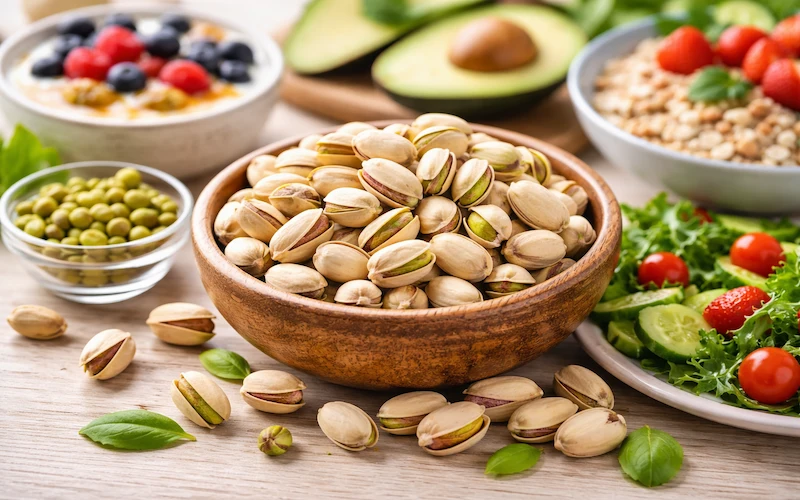
Pistachios, renowned for their distinct flavor, crunchy texture, and vibrant green hue, have earned recognition not only as a delicious snack but also as a staple in health-conscious diets.
Pistachios provide essential nutrients that support overall well-being, including heart health and digestive balance. You can eat them on their own or add them to recipes. They are easy to include in daily meals.
For those seeking variety, pistachios offer a convenient way to enjoy these nutrient-packed nuts. Trusted suppliers like IMP Nuts ensure consistent quality and carefully source their products.
What Are Pistachios?
Pistachios are small, edible seeds from the Pistacia vera tree. They are known for their distinct green color and slightly sweet, nutty taste.
These nuts are commonly consumed as snacks or used in cooking and baking. Types of pistachios are valued not only for their flavour but also for their nutrient density.
You can sprinkle them on salads, mix them into baked goods, or enjoy them as a healthy snack.
Including pistachio nuts in a balanced diet provides:
- Protein
- Healthy fats
- Fiber
- Vitamins
- Minerals
This combination makes pistachios a smart choice for overall health.

Are Pistachios Good for You?
Pistachios are generally good for you.
They offer a mix of nutrients and plant compounds that support:
- Heart health
- Weight management
- Digestive wellness
Eating pistachios in moderation supports a healthy lifestyle while satisfying cravings for crunchy, flavorful snacks. This highlights the many uses of pistachios in promoting overall well-being.
What Benefits Do You Get From Pistachios?
Pistachios offer a wide range of health benefits, from supporting heart and eye health to aiding digestion and weight management. Before we dive into the specific advantages, it’s helpful to understand why these nuts are considered a healthy addition to your diet.
Why Are Pistachios Healthy?
Pistachios are considered healthy because they provide a rich mix of essential nutrients while being relatively low in calories.
Their combination of fiber, plant-based protein, unsaturated fats, and antioxidants supports heart function, metabolism, and overall well-being.
Beyond basic nutrition, these nuts offer a range of benefits backed by scientific research and traditional dietary wisdom.
1. Rich in essential nutrients
Pistachios contain vitamins B6 and E, minerals such as potassium and magnesium, and beneficial plant compounds. This nutrient density makes them a smart addition to a diet aimed at supporting long-term health and vitality.
2. High in protein and low in calories
With nearly six grams of protein per ounce, pistachios provide a satisfying source of plant-based protein without excessive calories, making them ideal for snacks or meal additions.
3. Packed with antioxidants
Rich in antioxidants such as lutein, zeaxanthin, and polyphenols, pistachios help combat oxidative stress and protect cells from damage.
4. Supports healthy cholesterol levels
Regular consumption of pistachios has been associated with maintaining healthy cholesterol levels and promoting cardiovascular wellness.
5. May help lower blood pressure
Certain compounds in pistachios, including potassium and arginine, may help regulate blood pressure.
6. Supports healthy blood vessels
The nutrients in pistachios help maintain vascular function, which is essential for heart and circulatory health.
7. May help regulate blood sugar levels
Thanks to their fiber, protein, and healthy fat content, pistachios can support stable blood sugar levels, particularly when consumed alongside meals.
8. Aids in weight management
Pistachios can contribute to satiety, helping reduce overall calorie intake, which is beneficial for weight management.
9. Promotes healthy gut bacteria
The fiber in pistachios acts as a prebiotic, supporting the growth of beneficial gut bacteria and promoting digestive health.
10. Supports eye health
Lutein and zeaxanthin in pistachios contribute to eye health by protecting against oxidative stress and supporting retinal function.
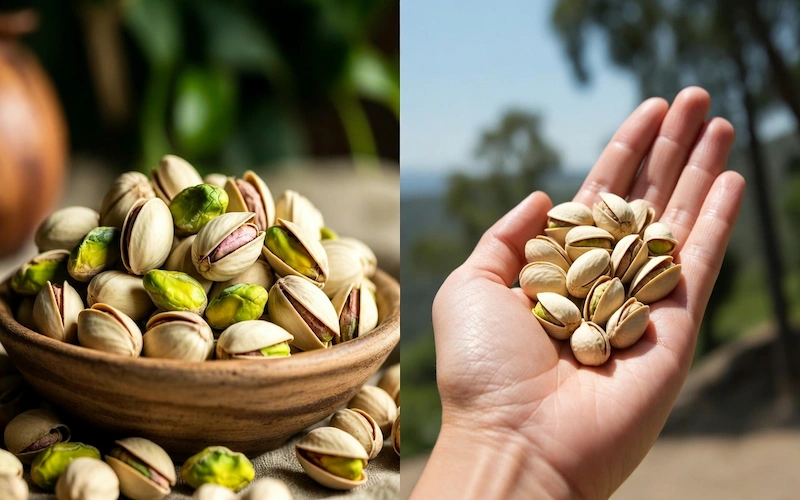
Pistachios: A Healthy Snack Alternative
Pistachios are a healthy and nutrient-packed snack that can replace high-calorie chips or sweets:
- Low in calories and high in protein and fiber: Pistachios help keep you full for a longer time.
- Perfect for plant-based and low-carb diets: Pistachios are a versatile option for various dietary needs.
- Easy to combine with other foods: You can pair pistachios with yogurt, oatmeal, salads, or fruit to create a balanced and satisfying snack.
Are Pistachios OK to Eat Every Day?
Eating pistachios daily is generally safe and can be part of a balanced diet. Moderation is key: a handful (about 1–2 ounces) is a reasonable serving size to gain nutritional benefits without excessive calorie intake. Incorporating pistachios alongside fruits, vegetables, and whole grains can maximize their health impact.
Potential pistachio risks
Although pistachios are safe for most people, consuming extremely large quantities may cause digestive discomfort or lead to excess calorie intake. People with specific allergies or dietary restrictions should exercise caution.
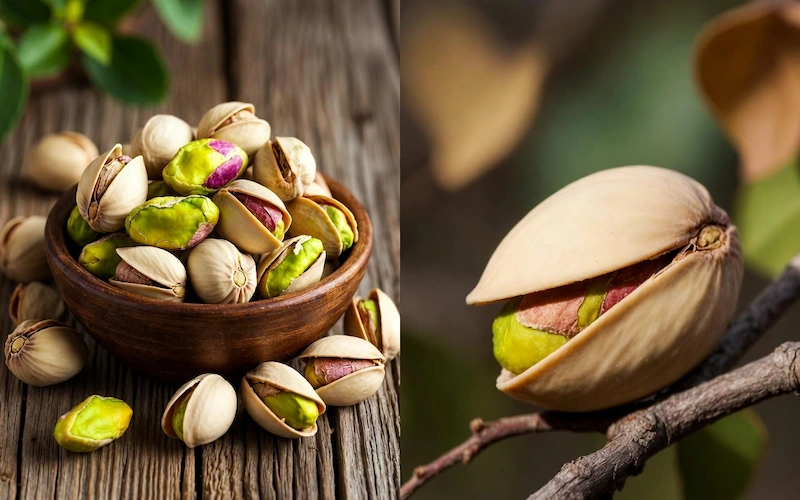
What Are the Side Effects and Risks of Pistachios?
Even though pistachios are a healthy and tasty snack, knowing the potential risks can help you enjoy them safely and make the most of their benefits.
Higher intake of sodium
Salted pistachios can contribute to high sodium intake if eaten in excess, potentially affecting blood pressure and heart health.
Note: One cup of salted pistachios can provide up to half of the daily recommended sodium intake, so moderation is important.
FODMAP risks
For individuals with sensitive digestion or irritable bowel syndrome (IBS), pistachios contain moderate FODMAPs, which can trigger discomfort in some cases.
Tip: The fructans in pistachios can cause bloating or gas in sensitive individuals.
Allergy risks
As with other nuts, pistachio allergies, though relatively rare, can occur. Reactions can range from mild itching to severe anaphylaxis.
Reminder: Severe reactions may require emergency treatment with epinephrine in allergic individuals.
Other considerations: In rare cases, improperly stored pistachios may contain aflatoxins, a harmful substance produced by certain molds.
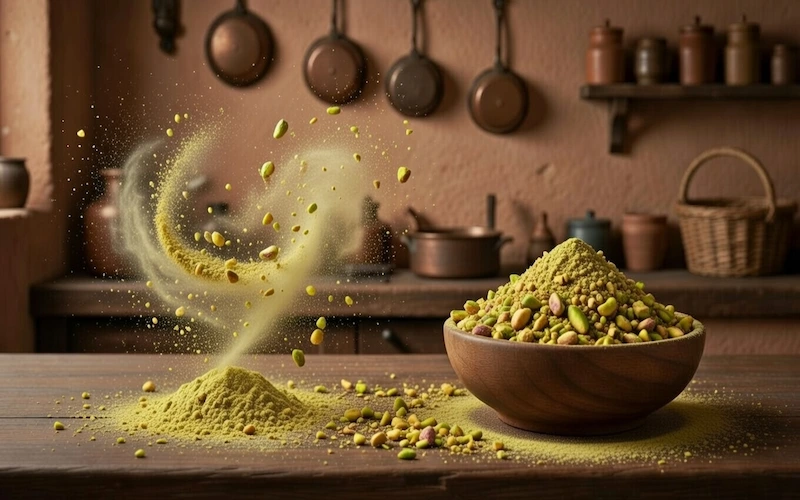
What Are the Nutrition Facts for Pistachios?
Pistachios are not just a tasty snack. They’re packed with nutrients that support energy, heart health, metabolism, and overall wellness.
Here’s a quick overview of what you get in a one-ounce (28g) serving:
Macronutrients:
- Calories: 159
- Protein: 6g
- Fat: 13g (mostly unsaturated – mono & polyunsaturated fats)
- Carbohydrates: 8g
- Fiber: 3g
Vitamins:
- B6
- E
- K
- Thiamine (B1)
- Riboflavin (B2)
- Folate
Minerals:
- Potassium
- Magnesium
- Phosphorus
- Copper
- Iron
Other beneficial compounds:
Antioxidants: lutein, zeaxanthin, polyphenols
Serving suggestion:
One ounce of pistachios is roughly 49–50 nuts, making it easy to visualize a healthy portion.
How to Prepare and Eat Pistachios
Pistachios can be enjoyed raw or roasted, each offering distinct flavor profiles. Roasting enhances their aroma and crunch, while raw pistachios retain maximum nutrients, including antioxidants and vitamins.
Practical serving ideas include sprinkling chopped pistachios over salads, blending them into smoothies, or enjoying them as a standalone snack.
Flavored or roasted pistachios provide convenient options for everyday use, making it easy to include them in meals or snacks without much preparation.
Tip: A typical serving is about 1–2 ounces (30–50 pistachios), which is ideal for snacking or adding to recipes.
Storage suggestion: Keep pistachios in an airtight container in a cool, dry place to maintain freshness and prevent rancidity.
The Last Word on Pistachios
Pistachios are more than just a tasty snack. They are nutrient-packed nuts that can enhance overall health when eaten in moderation.
From supporting heart health and gut function to aiding weight management, pistachios deliver a variety of wellness benefits. Including them as part of a balanced diet is easy and enjoyable, whether enjoyed raw, roasted, or incorporated into recipes.
Choosing high-quality pistachios from a trusted supplier like IMP Nuts ensures consistent quality and gives confidence to anyone looking to enjoy these versatile nuts safely and responsibly.
FAQs
1. What are pistachios good for?
Pistachios provide nutrients that support heart health, weight management, blood sugar balance, and digestive wellness.
2. Are pistachios healthy for children?
Yes, in moderate amounts, pistachios are a nutrient-rich snack suitable for children who can safely chew nuts.
3. How many pistachios should I eat daily?
A typical serving is about 1–2 ounces (roughly 30–50 pistachios) to enjoy benefits without excess calories.
Can pistachios help with cholesterol?
4. Can pistachios help with cholesterol?
Regular consumption may support healthy cholesterol levels, particularly when incorporated into a balanced diet.
5. What pistachio nuts are good for you?
All high-quality, unsalted pistachios provide nutritional benefits, though raw or lightly roasted options preserve more nutrients.
6. Where can I buy high-quality pistachios?
You can buy pistachios from IMP Nuts. Visit the website to explore products and Contact us at (+989122045310) for ordering assistance.